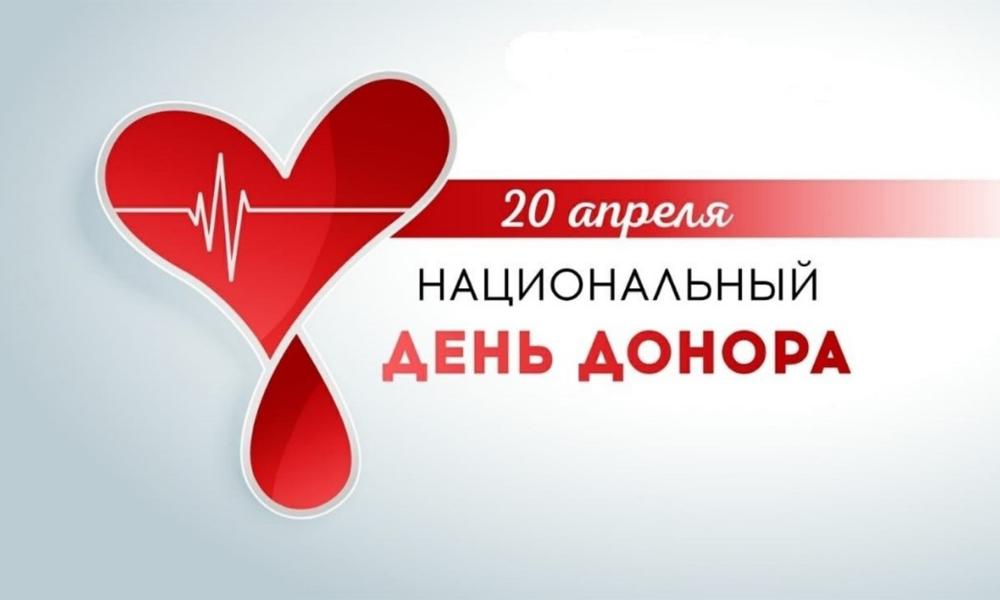
For many years, the VolSC RAS has been studying the social activity of the population, forms of civic participation and factors influencing people's involvement in socially significant practices. The accumulated scientific groundwork made it possible to logically expand the research agenda towards the study of blood donation as a special form of prosocial behavior that combines elements of altruism, civic responsibility and institutional trust.
In 2024, the staff of the VolSC RAS carried out a study on the topic "Development of recommendations for improving the activities of the Vologda Regional Blood Transfusion Station No. 1 in the field of informing and attracting blood donors" under a contract with the Vologda Regional Blood Transfusion Station No. 1. The empirical basis of the study was the results of several sociological surveys. Adult residents of Vologda, Vologda and Sokolsky districts, blood donors who had experience donating blood at the VOSPC No. 1 Medical Center, and organizers of corporate blood donation campaigns were covered.
The results of the study showed that a significant part of the population has experience of donation: almost every fourth resident of Vologda and surrounding districts has donated blood at least once. Donors tend to rate their health status higher and are less likely to have chronic illnesses. At the same time, donation behavior is often irregular: a significant part of the respondents donated blood only once or did it sporadically, and many of the last donations occurred several years ago.
Despite the fact that donation is perceived in the public consciousness as a socially acceptable and significant practice, it does not always translate into real actions. The motivation for participation is multi-layered: the key motivation is the desire to help other people, but pragmatic incentives (getting a day off, monetary rewards, benefits, and compensations) also play a significant role. Among the key barriers to donation, respondents most often note the presence of medical contraindications, fear of the procedure and lack of time, and for young people, above all, lack of awareness. Social networks and television remain the most popular channels for obtaining information about donation.
The result of the study was the development of practical recommendations for improving the work of the blood service. The key focus remains the systematic improvement of public awareness and building a more flexible model of interaction with donors. The proposed solutions are aimed at expanding the presence of the blood service in the information space. Special attention is paid to the involvement of young people through educational organizations and the formation of sustainable practices of regular donation. At the same time, the importance of creating comfortable conditions for donors, developing a feedback system and additional non-material and material incentives that contribute to the consolidation of donor behavior is emphasized.
More detailed information about the results of the study can be found in the works of the staff of the VolSC RAS.:
- Popov A.V., Belekhova G.V., Kalashnikov K.N. Collective ideas of Russians about blood donation as a social practice: the experience of the Vologda oblast // Sociological research. 2025. No. 6. pp. 119-128. DOI: 10.7868/S3034601025060106
- Popov A.V., Solovyova T.S., Korolenko A.V. Features of Russian participation in blood donation: the influence of blood donation frequency and socio-demographic characteristics // Hematology and Transfusiology. 2025. Vol. 70. No. 3. pp. 359-373. DOI: 10.35754/0234-5730-2025-70-3-359-373